
Intermediate · lesson 4 of 4 · 11 min
Collaborate without losing judgment
Use AI as a thinking partner while protecting expertise, authorship, and accountability across a team.
- Notice and counter automation bias
- Set a team disclosure norm
- Keep accountability attached to a person
Automation bias is the real risk to a team
People accept a machine suggestion more readily than an equivalent human one, and they accept it faster when they are tired, junior, or under deadline. The measurable effect is that review becomes a formality. Counter it structurally, not with willpower: ask the reviewer to form a view before seeing the AI output, and make disagreeing a normal, recorded event rather than an escalation.
The tendency to over-trust and under-scrutinize output from an automated system, particularly under time pressure or when the reviewer lacks confidence in their own expertise.
A design team adopted a rule: for any AI-assisted recommendation, the reviewer writes their own one-line position before opening the AI version. Agreement rates dropped from near-total to about two-thirds, and two genuinely bad recommendations were caught in the first month. Nothing about the tool changed.
Protect the apprenticeship
Junior people build judgment by producing bad first drafts and having them corrected. If AI produces the first draft, that learning does not happen, and in five years you have a team that can edit but cannot originate. Teams that handle this well keep certain work deliberately manual for people who are still building the skill, and they say out loud that this is why.
Accountability does not distribute
When an AI-assisted output is wrong, the answer to who is responsible is always a person, and it should be a named one, agreed in advance. The model is not a colleague, the vendor is not the author, and the team is not a person. Write down who owns the output before the workflow runs.
Draft three team norms
Write one norm each for disclosure, review, and accountability for a team you work with.
Keep each to a single sentence. A norm nobody can recite is not a norm.
0 of 5 practice steps checked. Saved on this device.
Disclosure: any deliverable where AI shaped the argument carries a line in the file note. Review: the reviewer writes their position before opening the AI draft. Accountability: the named author owns every claim in the document, regardless of how it was produced. Kept manual: first-year analysts write their own initial client summaries for the first six months. Lives in: the team charter, reviewed quarterly.
Check your understanding
Answer both to mark the lesson complete. You can try again. This is practice, not a graded exam.
1. What most reliably reduces automation bias in a review step?
2. An AI-assisted report contains an error that reaches a client. Who is accountable?
Three things to remember
- Automation bias turns review into a formality; counter it with an independent first opinion.
- Keep some work manual so judgment still gets built.
- Name the accountable person before the workflow runs.
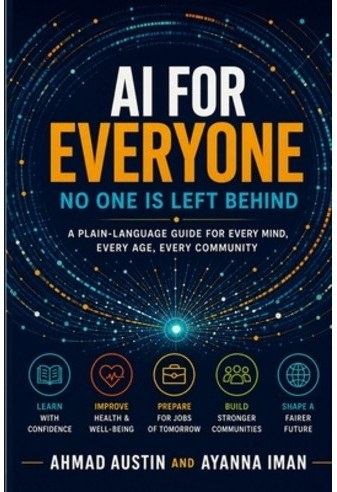
The workflow and evaluation chapters go deeper than a 50-minute path can.
Examples are composites written for teaching unless a source is cited. Figures come from the sources listed where given.