
Open topic · lesson 2 of 4 · 12 min
AI and the power grid
Data centers are now one of the fastest-growing sources of electricity demand. Learn how big that demand is, why timing matters, and who pays.
- Put data center electricity use in context
- Explain why location and timing strain the grid
- Describe what a large-load tariff does
How big the demand is
The International Energy Agency estimates data centers used about 415 terawatt-hours of electricity worldwide in 2024, roughly 1.5 percent of global consumption, and projects that figure will more than double to about 945 terawatt-hours by 2030. The United States accounted for about 45 percent of the 2024 total. Lawrence Berkeley National Laboratory found U.S. data centers used 4.4 percent of the nation's electricity in 2023 and projects 6.7 to 12 percent by 2028. The range is wide because nobody knows exactly how fast AI adoption will grow.
A utility rate structure for very large electricity customers, such as data centers, that sets the price and conditions of service so that the costs their demand creates are not shifted onto other customers.
A campus that draws 300 megawatts around the clock uses about 2.6 billion kilowatt-hours a year. The average U.S. home uses roughly 10,500 kilowatt-hours a year, so that one campus uses about as much electricity as a quarter of a million homes.
The grid problem is timing and location
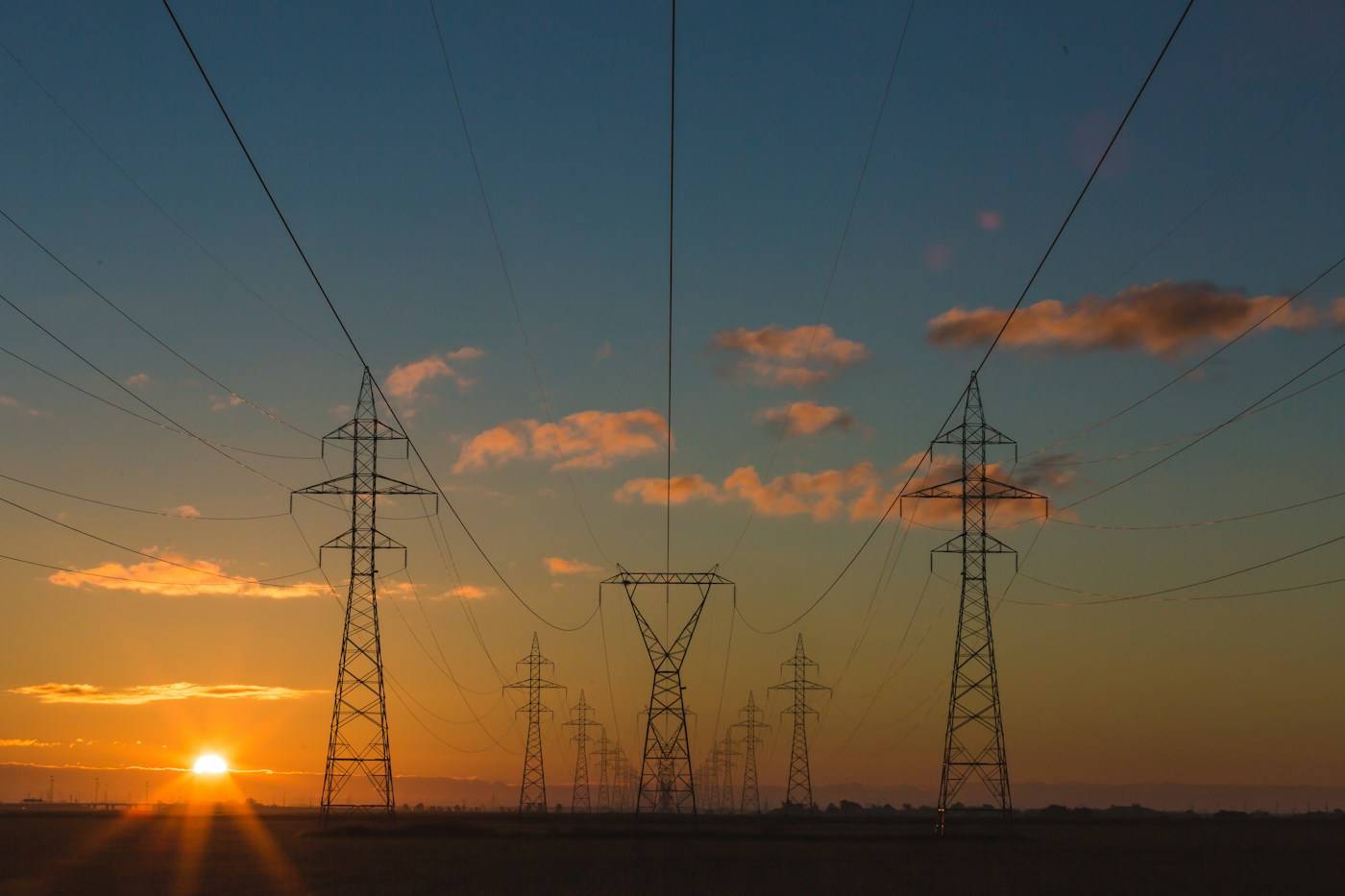
National percentages hide the real pressure. Data centers cluster where land, fiber, and power are available, and a single campus can ask a utility for hundreds of megawatts, comparable to a small city. Power plants and transmission lines take years to plan and build, so utilities face requests that arrive faster than infrastructure can. Responses include new gas plants, keeping older plants open longer, new solar, wind, and storage, and long-term deals that some technology companies have signed to restart or extend nuclear plants.
Who pays for it
When a utility builds for a large new customer, a basic question follows: does that customer pay for the upgrades, or are the costs spread across every household's bill? A large-load tariff is a rate structure that answers this in advance, typically by requiring very large customers to cover the cost of the infrastructure they need, commit to minimum payments over many years, and protect other customers if the expected demand never arrives. Several state utility commissions have adopted or are considering these rules, and federal regulators have asked grid operators to review how very large users connect.
Read your utility's plan
Find your electric utility's most recent long-term plan or rate case and locate what it says about large new customers.
These documents are public, usually on your state utility commission's website. Search for integrated resource plan or rate case plus your utility's name.
0 of 5 practice steps checked. Saved on this device.
An illustrative reading: a utility's plan attributes most of its projected growth to large new customers and proposes new gas generation alongside solar and battery storage. Its commission has an open proceeding on a large-load tariff. A resident's question for public comment: if the forecast demand does not arrive, who pays for the plants already built?
Check your understanding
Answer both to mark the lesson complete. You can try again. This is practice, not a graded exam.
1. According to Lawrence Berkeley National Laboratory, about what share of U.S. electricity did data centers use in 2023?
2. What is a large-load tariff designed to do?
Three things to remember
- Data center electricity demand is large and growing fast, especially in the U.S.
- The strain is local and about timing: big requests arrive faster than grids can build.
- Ask who pays. Large-load tariffs are how that question gets answered in advance.

A plain-language guide to AI for every mind, every age, and every community.
Examples are composites written for teaching unless a source is cited. Figures come from the sources listed where given.