
Beginner · lesson 5 of 5 · 10 min
Use AI safely every day
Build simple privacy, verification, and disclosure habits you can apply every time you work with AI.
- Decide what never goes into a prompt
- Verify proportionally to consequence
- Disclose AI assistance appropriately
Treat the prompt box as public
Unless you are on a tool your organization has cleared, with a contract that says otherwise, assume anything you paste may be retained, reviewed by a human, or used to improve the service. That rules out client data, health information, unreleased financials, credentials, personnel matters, and anything under NDA. The practical habit is to write the prompt with the specifics replaced by placeholders.
Matching the depth of human review to the consequence of an error, rather than applying the same level of checking to every AI output.
A paralegal drafts a client letter with AI, replaces the client name with CLIENT A and the amount with FIGURE X, verifies the two statutory references at the source, restores the real details in the final document, and notes the AI assist in the matter file. Four habits, about ninety seconds.
Verify in proportion to consequence
Verification is a budget, and spending it evenly is waste. A brainstorm needs none. An internal summary needs a skim. Anything that goes to a customer, a regulator, a court, a patient, or a public audience needs every specific claim opened and confirmed at the source. Set the level before you read the output, not after it has impressed you.
Disclose so trust survives
Disclosure is less about rules and more about what a reasonable reader would want to know. If AI shaped the substance, say so. If it only cleaned up your grammar, that is not usually material. Where your school, employer, publisher, or client has a policy, that policy wins. The failure mode that damages careers is not using AI; it is being discovered to have hidden it.
Write your own three lines
Draft a personal AI use rule that fits on a sticky note: one line for privacy, one for verification, one for disclosure.
Check it against your actual school or workplace policy before you rely on it.
0 of 4 practice steps checked. Saved on this device.
Never paste: client names, case numbers, anything from the HR drive. Always verify: every number, date, and citation that leaves the building. Always disclose: any document where AI shaped the argument, noted in the file. Never delegate: the decision about whether to escalate a safeguarding concern.
Check your understanding
Answer both to mark the lesson complete. You can try again. This is practice, not a graded exam.
1. You need to summarize a confidential vendor contract using a public chatbot. What is the right move?
2. Which output needs the deepest verification?
Three things to remember
- Assume the prompt box is public unless the tool is cleared.
- Scale verification to the cost of being wrong.
- Disclose when AI shaped the substance, and follow the policy that governs you.
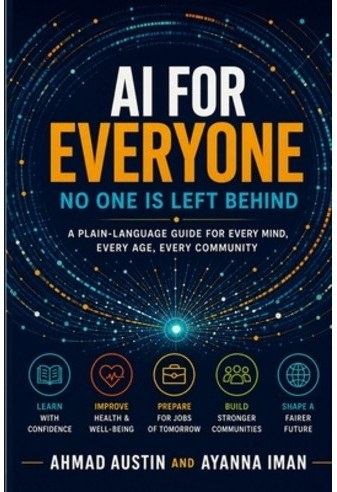
Every idea in this path is expanded with more examples in the book.
Examples are composites written for teaching unless a source is cited. Figures come from the sources listed where given.